
A 5-minute read
The history of sourdough.
Six thousand years of bubbling jars, hand-kneaded loaves, and the simplest, oldest way to leaven bread.
All 7
Continents that adopted it
6,000+
Years of continuous baking
3
Ingredients required
~1500 BCE
Ancient Egypt
The first written records of sourdough come from Egypt. Bakers discovered that dough left out overnight rose by itself — the wild yeasts and bacteria from the air and the grain were doing the work. Egyptian sourdough was so prized it was used as currency and offered to the gods.
Ancient Greece & Rome
Bread becomes a craft
Greek bakers refined the process; Rome scaled it. By 168 BCE, Rome had public bakeries and a guild of professional bakers. Sourdough was the only kind of leavened bread for thousands of years.
Middle Ages
The village starter
Across Europe, every village kept a communal starter. Loaves were marked with the baker's stamp and carried to the local oven. The same starter could pass through generations of one family.
1849 — California
Gold Rush sourdough
Prospectors heading to the Sierra Nevada carried starter pots inside their coats to keep them warm at night. The bread became so identified with them that the miners themselves were nicknamed "sourdoughs." The famous San Francisco sourdough strain still bakes today.
1857
Commercial yeast arrives
Louis Pasteur identified yeast as a living organism. Within decades, isolated baker's yeast was sold in bricks. Bread could now rise in 90 minutes instead of 24 hours — and sourdough was nearly forgotten outside small villages and a few stubborn bakeries.
Today
The slow revival
Home bakers, artisan bakeries and a global pandemic-era sourdough boom brought wild fermentation back. People rediscovered that bread made the slow way tastes better, keeps longer, and is gentler on the gut. Which is exactly why we bake the way we do.
Taste 6,000 years of bread.
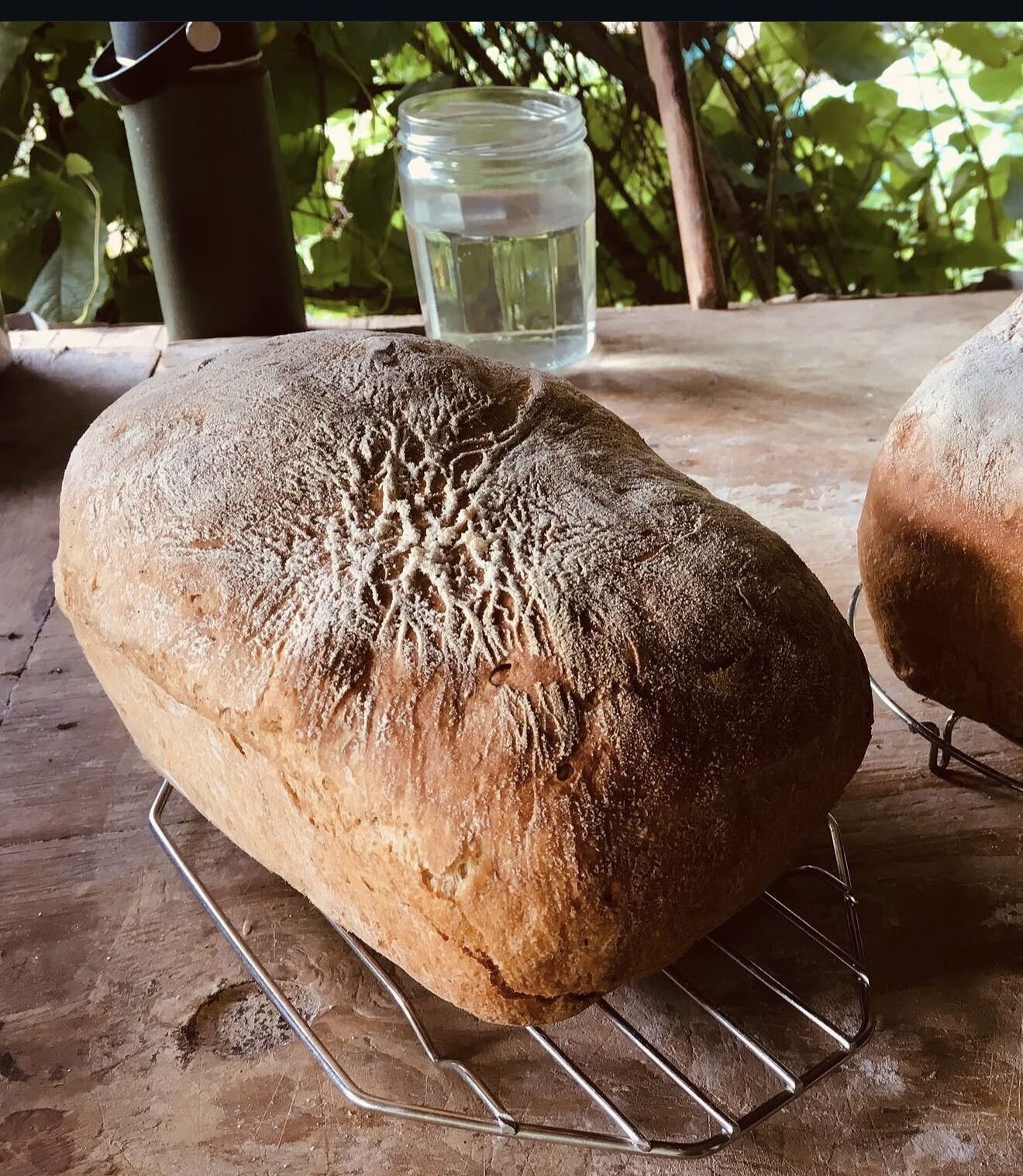
Order a loaf from this week's bake. Same recipe, same patience, same wild yeast.
See this week's bake